
Formerly one of the most tradition-bound, staid and ignored wines in the world, sherry is now surging in popularity. Over the last decade, a new generation of drinkers have embraced this fortified wine from Spain’s deep south.
This isn’t the first time sherry has expanded its reach. The word on Sherry, at least out of Jerez, the capital of sherry production, has long been that it’s making headway or on the cusp of being the next big thing for global bartenders and wine lovers.
The sommeliers who sell sherry daily, are seeing more enthusiasm and an openness to trying different Sherries, especially among customers in their 20s and 30s. Customers still need guidance when selecting a sherry since to really know sherry, one needs to spend a lot of time tasting the many different styles from the different subregions and producers.
Here, we break down everything you need to know about sherry.
What is Sherry Wine?
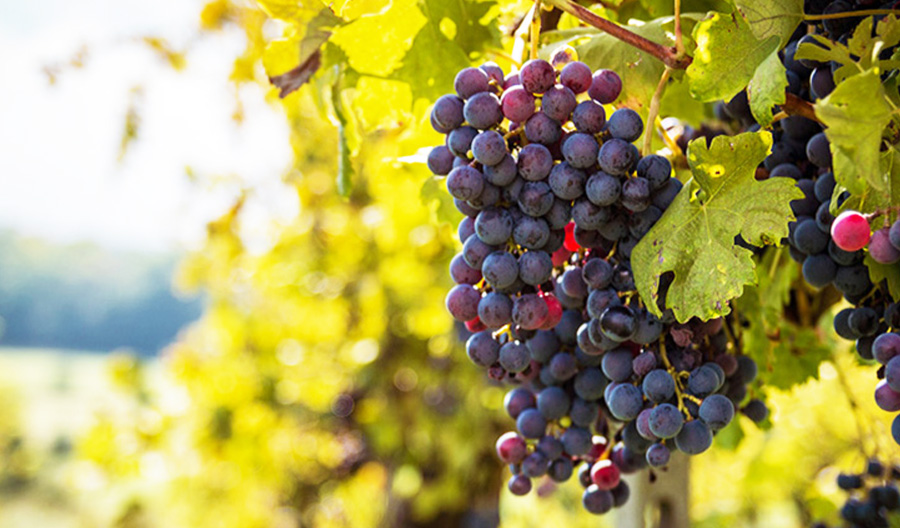
Sherry is wine made from white grapes. The grape variety Palomino features prominently in dry versions, while sweet versions like cream sherry might include Pedro Ximénez (PX) and Moscatel.
Sherries are aged in a unique system called the solera, where barrels of fortified wines sit for years at ambient temperatures. Portions of the wine are periodically removed from the oldest barrels for bottling, with new stocks added to keep the solera going.
Types of Sherry
Made with an array of grapes and different production methods, the sherry category ranges from bone-dry fino to rich, unctuous cream sherry.
Dry Sherry
The driest, most saline style of sherry are called finos. These are generally made from high-acid Palomino grapes grown in chalky white soils called albariza. These tank-fermented white wines spend their entire fortified existence under a blanket of yeast called flor, which protects the wine from oxidation. Finos usually contain 15–16% alcohol by volume (abv), are best served well chilled and are dynamite when paired with salty snacks like peanuts, potato chips, cured olives and fried seafood.
This flinty style of sherry is, in essence, fino made in the coastal town of Sanlúcar de Barrameda. Like finos, manzanillas incorporate the same winemaking and aging-under-flor techniques, which preserve freshness and promote salinity. Because manzanillas are the lightest of sherries, they pair exceptionally well with raw seafood.
There’s no guarantee that a flor blanket will hold, and in cases where it doesn’t, amontillado is the result. Amontillados take on a brown hue, due to extended contact with air inside the solera barrels. And rather than the crisp, saline flavors of finos and manzanillas, amontillados deliver oxidized notes of nuttiness, sautéed mushrooms and a richness best described as umami. Usually about 18% abv, they pair perfectly with medium-bodied soups or flavorfully sauced pork, pheasant or rabbit.
Whereas amontillado is a sherry in which the flor breaks up naturally, an oloroso sees the cellar master intentionally destroy the flor to promote oxidation. Olorosos can be sweet or dry in style, depending on whether the wine includes the sweet Moscatel, or is made strictly from dry Palomino grapes. Like with amontillado, where the abv is usually around 18–19%, olorosos can withstand decades in barrel, which creates extra richness and complexity.
Sweet Sherry
The wildcard of sherry, Palo Cortado begins its existence under flor, and then loses that cover while tracking toward amontillado. Along the way, however, something mysterious happens, and the wine grows richer and more regal, like oloroso. The name, Palo Cortado, is derived from a cross traditionally drawn in white chalk on the barrel’s exterior to note that it’s doing its own thing and isn’t amontillado or oloroso. Palo cortado is an elegant, lightly sweet style of Sherry best enjoyed on its own.
Cream Sherry and Pedro Ximénez
Sweet sherries come in a multitude of forms and quality levels. A basic cream sherry is more or less an oloroso with sweet grapes like Pedro Ximénez (PX) or Moscatel blended in. In complex varietal PX and Moscatel-based Sherries, freshly picked grapes are sun-dried to concentrate sugars and flavors. These can be dark, unctuous wines with viscosity akin to motor oil.
Sherry Vinegar
It might surprise you to learn that sherry vinegar has had its own Denominación de Origen (DO), or protected status, since 1995. (Sherry received DO status in 1933).
According to Sherry: A Modern Guide to the Wine World’s Best-Kept Secret, with Cocktails and Recipes, these vinegars are made via the solera system (like Sherry wine) and “stylistically fall somewhere in between a regular wine vinegar and balsamic vinegar.”
But to be stamped with the DO seal, the vinegar must fall into three categories: vinagre de Jerez (minimum of six months aging), vinagre de Jerez reserva (minimum of two years aging) and vinagre de Jerez gran reserva (minimum of 10 years aging).
It can make an excellent addition to vinaigrettes and salad dressings, salsas or marinades like chimichurri.